
Bars can be profitable ventures, but they come with plenty of moving parts. Success often depends on how efficiently you can serve drinks—and that starts with having the right bar equipment.
Whether you’re running a standalone bar or managing part of a larger restaurant, reliable bar equipment helps keep operations running smoothly and customers satisfied.
Not sure where to start? From beer chillers to line cleaning equipment, we’ve got you covered at Foxx: here’s your complete checklist for building a well-equipped bar.

Core Bar Equipment: Refrigeration and Cooling
Refrigeration is key to keeping beer and other bar items fresh. Because so many bar drinks require precise temperature control when serving, reliable refrigeration should be the backbone of your bar setup.
For smaller bars without a separate keg room or tap lines, consider direct draw dispensers: the keg sits inside a refrigerator and beer travels a short distance—usually just a few inches—from the keg to the faucet above the fridge.
Think of them like an all-in-one beer solution ideal for small bars and breweries with a few beer options. They have everything (refrigeration, kegs, taps, and CO₂ setup) housed in one unit. Foxx makes direct draw dispensers of all sizes, from single keg to multi-keg models that hold up to 5 kegs.
For long draw systems (think longer distance between the kegs and taps—usually, there’s a fridge somewhere away from the bar holding kegs), a beer chiller is indispensable. Beer chillers, whether you use a glycol chiller for larger bars with taps far from the kegs or a flash chiller or cooler for smaller bars, are designed to keep beer (or other beverages) at the correct low temperature from keg to tap.

Bar Equipment to Keep Beer Flowing
Now that the beer is cold, you’ve got to consider how it will travel from the keg to your tap lines.
First, you have to get the beer out of the keg, which is where a coupler comes in. A beer coupler is the key connection point between a keg and your draft beer system—when you hear someone talking about “tapping” a keg, they usually mean adding a coupler that allows the beer to flow. A coupler allows CO₂ (or another gas) to enter a tap line, which pushes beer through the line.
Couplers differ based on where the beer is made. The main difference is between domestic and imported beers; check which coupler you need for the beers you want to serve.
Once a keg is tapped, you’ll need a regulator to control the flow of CO₂. Regulators control the flow and pressure of gas through tap lines: too slow, and the beer will trickle out and not develop the head a proper beer needs; too fast, and beer will sputter all over the place.
For long draw systems, trunkline cooling systems are a non-negotiable piece of bar equipment. A trunkline is basically an insulated tube that carries beer from the keg to the tap—around it are other, smaller tubes filled with a glycol solution to prevent the beer from losing temperature in transit.
Bar Equipment for Pouring
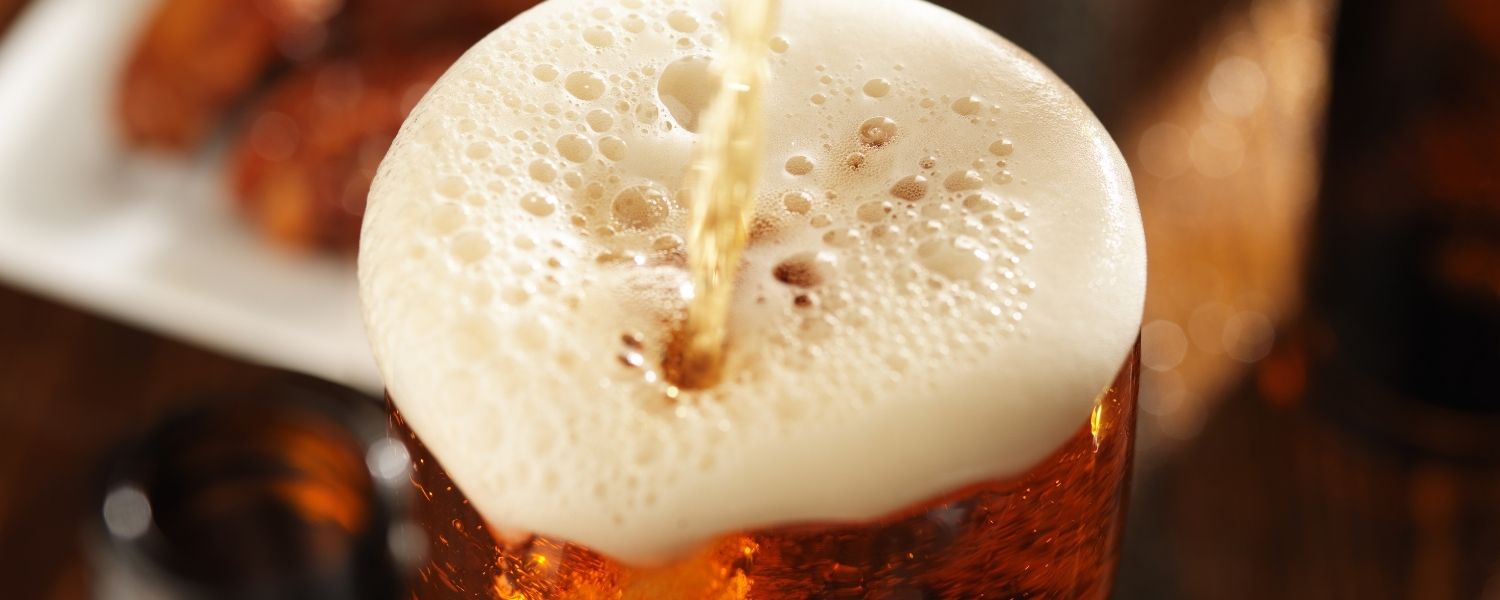
We’ve outlined the tools to keep beer cool and get it from the keg to the tap, but what bar equipment do you need to dispense beer correctly and get the perfect amount of foam?
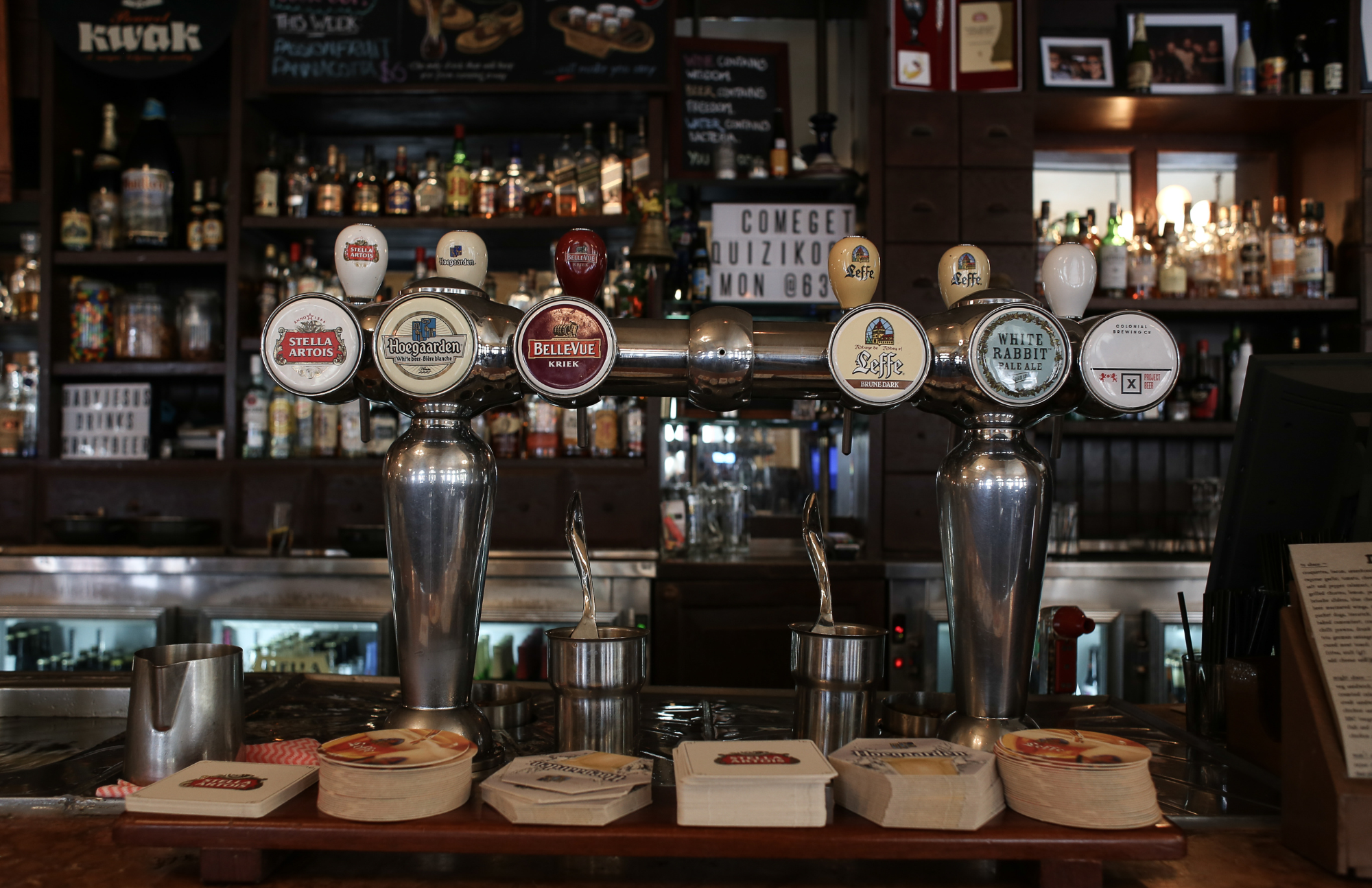
Beer faucets are the literal spouts that dispense beer, and they vary widely, mainly depending on the type of beer you’re serving and how much control you want over the pour.
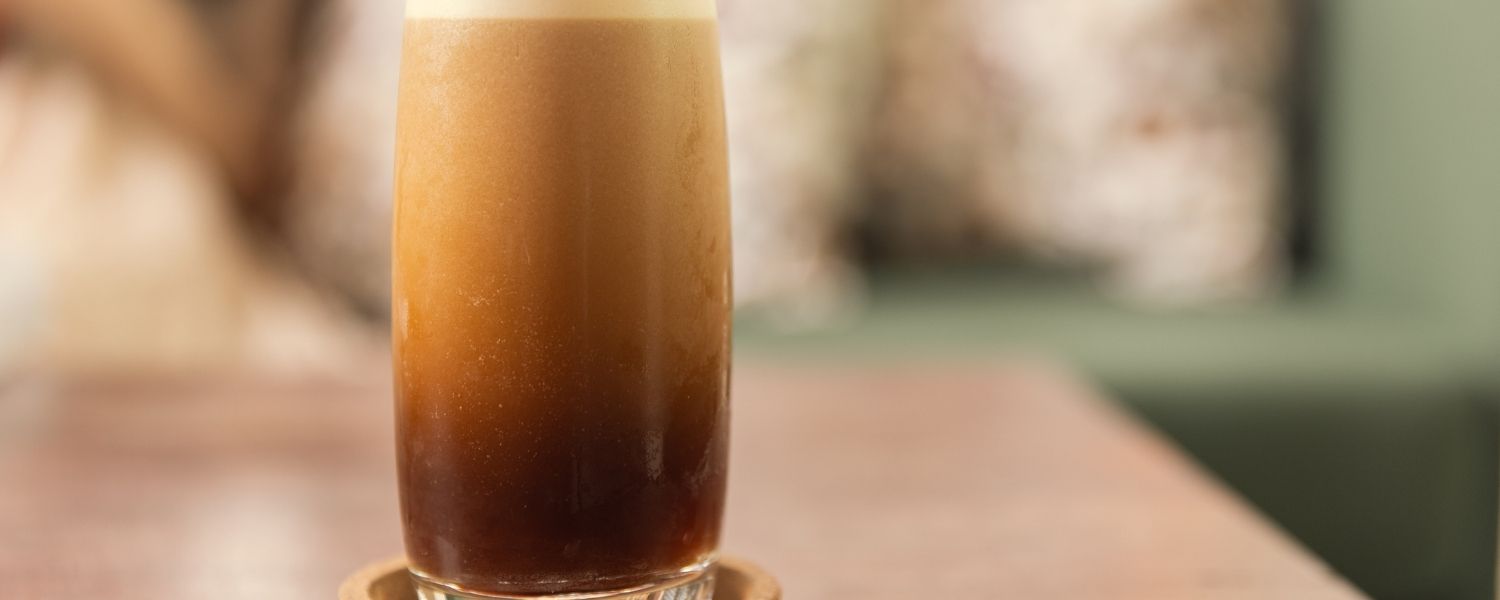
Standard faucets are for general use, while style-specific faucets can accommodate unique beer styles, such as stouts, which are charged with nitrogen rather than CO₂. Self-closing and flow-control faucets let you play with how beer is dispensed, giving you less (or more) control.
Now that you have the faucets, what kind of tap system do you want? The type of column or tower your bar needs depends on a few factors, such as how many beers you have on tap and your stylistic choices. A rail tower, for example, is excellent for a wall-mounted system, while a pass-through tower is visually appealing for a bar where bartenders face patrons as they pour.
The Quality Of Your Bar Equipment Doesn’t Matter If You’re Not Cleaning
Beer quality is so closely tied to cleaning: keeping lines and taps clean is essential to maintaining the delicate flavors of a beer while keeping things sanitary—lines can easily become breeding grounds for bacteria and other contaminants if you don’t keep bar equipment clean.
We recommend setting a cleaning schedule. Remember: maintenance is part of any serious bar’s bar equipment checklist.
At Foxx, we have everything you need to keep your lines clean, from the right gear to the right chemicals for safely cleaning and maintaining equipment.
It’s not just cleaning equipment: from start to finish, the right bar equipment can be the difference between a high-quality bar program and one patrons see as an afterthought. Every detail matters when it comes to pouring the perfect pint, so take the time to consider every piece and invest in well-made bar tools.
Check out our entire line of bar equipment and reach out to see how Foxx can help you outfit your new bar or upgrade an existing setup.

Leave a Reply