
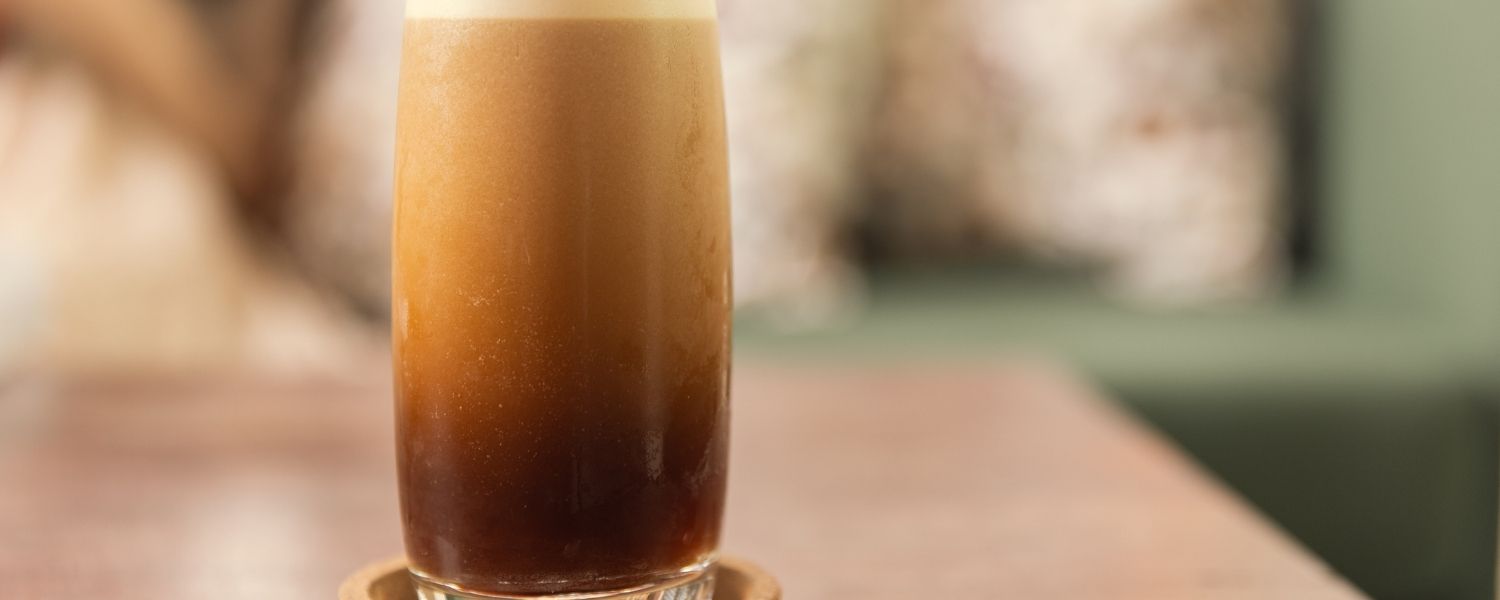
Just a few years ago, adding nitrogen to drinks was reserved for a single beer style—and really, one iconic brand. Now, nitrogen-infused beverages are popping up everywhere and growing in popularity, and research shows that the nitro category is expected to grow nearly 300% by 2030, a sign that more and more customers are seeking out nitro.
Infusing drinks with nitrogen adds novelty, texture, and a little showmanship to everything from cold brew to cocktails to even non-alcoholic beverages like lemonade and juice. And while it might sound complicated, it’s surprisingly easy for most cafes and restaurants to pull off with the right equipment.
So what do you need to pull off the perfect nitro setup? Depending on your bar or restaurant configuration, you can capitalize on the nitro trend with a few simple upgrades, such as a nitro coffee dispenser or a stout faucet.
Now’s the time to get in on the nitro craze. In the sections ahead, we’ll look at how nitro coffee dispensers and stout faucets work, explore just how versatile nitro can be, dig into how it can boost sales, and take a look at where the nitro trend is headed next.

Key Tools To Tap Into Nitro
A nitro coffee dispenser is a system that infuses cold brew coffee (or other chilled drinks — these systems are often associated with cold brew but work for a variety of beverages) with nitrogen gas. You don’t need an existing setup for certain kinds of nitro coffee dispensers: some can be installed right on your countertop.
An all-in-one system like this means you can get drinks with consistent pours, correct nitrogen infusion, stable texture and mouthfeel, and minimal waste. Some systems have multiple taps, allowing you to serve various nitro drinks during busy periods.
For bars with existing tap systems, a stout faucet—traditionally used for stouts but suitable for any nitrogen-infused beverage—is an easy way to add nitro to your menu.
A stout faucet forces the liquid through a restrictor plate, creating the tiny nitrogen bubbles that give nitro drinks their signature cascade and creamy finish. A stout faucet is necessary for nitro: you can’t infuse nitro into drinks with a standard tap.
Together, these tools make it easy for cafes and bars to add nitro to their menus.
Put Everything On Nitro
Not everything benefits from nitro—but many beverages do. Nitro turns regular drinks into standout items that justify a higher price tag.
Initially, nitro was reserved for beer, particularly stouts and porters that are heavy and smooth. Around the early 2010s, people began experimenting with cold brew and nitrogen, noting its similarities to more robust beer styles.
But nitrogen is unique in that it doesn’t impart much flavor to drinks. That makes it different from carbon dioxide, which is used to carbonate beverages and can leave an acidic or sharp mouthfeel that is pleasant in some applications but can ruin a drink in others.
Nitro-infused drinks have a creamier mouthfeel that softens bitter or acidic notes. Tools like a nitro coffee dispenser or stout faucet make this possible. Nitrogen creates tiny, yet stable, bubbles that can transform any drink, from expected players like beer and coffee to cocktails, lemonade, and even milk.
Nitro Upgrades The Experience, Boost Profits
As mentioned above, nitro drinks can often command higher prices.
The drink’s novelty sits at the perfect intersection of offering something new and creating a premium product. Because nitro is still new and growing, you can attract customers seeking out new experiences. And it’s often considered a premium product—a way to elevate something like a cocktail or coffee—which means you can charge more.
Nitro pricing varies by market and margins, but many operators see a $1–$2 upcharge per drink (a $10 cocktail can easily become $12 with nitro). For a cafe serving 50 nitro drinks a day, that’s an extra $50–$100. Over a 30-day month, that’s $1,500–$3,000 in additional revenue.
While you’ll need to invest in tools like a nitro coffee dispenser or stout faucet, understanding their value—and the premium nitro drinks can command—helps ensure those costs are recouped quickly.
The Future Of The Nitro Market
Nitro shows no signs of slowing down. Right now, the nitro market is worth about $150 million and is expected to be worth $394.8 million by 2030.
One of the big reasons nitro is poised for rapid growth is the broader shift away from sugary beverages, combined with the boom in ready-to-drink options.
Consumers want beverages that feel fresh, fun, and different—but without having to pick something loaded with sugar or artificial flavors. Nitro delivers that sense of fun and excitement through texture and mouthfeel.
With rising consumer demand and strong market growth, now could be the right moment for cafes, bars, and restaurants to embrace nitro. And with the right tools—like a nitro coffee dispenser or a stout faucet—operators can create drinks that attract new customers and boost their bottom line.
Leave a Reply