
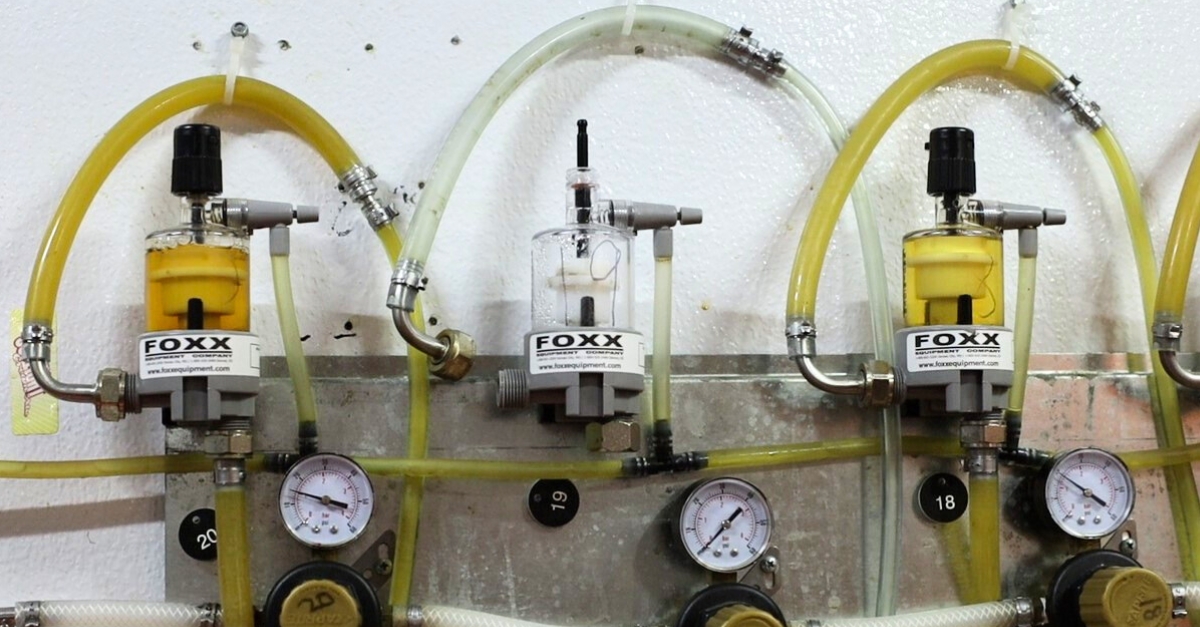
Foam is usually the sign of a well-poured beer, but too much — or not enough—foam can be both off-putting for customers and costly for bars and breweries.
One way to control foam issues is with a foam preventer tool, something like a foam-on-beer detector, usually called a beer fob. A beer fob is used in draft beer systems to stop foam and reduce beer waste when a keg is empty.
Beer fobs are easy to add to your beer line, whether you need a single-panel set-up or a panel able to regulate and control multiple beer lines. Here’s how foam-on-beer detectors work and can save bars and restaurants time, energy, and — most importantly — money.
How a Beer Fob Works
A foam-on-beer detector is a tool that monitors how full a keg is, since foam issues usually happen when a keg is empty and gas fills the line. If a keg is empty but gas is still flowing through the line, that’s when you’ll see a tap sputtering foam.
When this happens, a keg has to be cleared of gas, which can waste anywhere from a pint per keg on a short-draw system to 2-3 on a long-draw system. That may not sound like much, but this kind of waste adds up quickly when you account for keg changes on multiple taps.
If a keg is full, beer flows into the beer fob chamber. A float inside the chamber rises, which causes the valve between the tap and the keg to remain open, allowing beer to flow smoothly to the tap. The float drops if a keg is empty, triggering a shut-off valve inside the beer fob. This stops the flow of gas and foam into the beer line and prevents waste from having to clear the line.
After swapping the keg and resetting the foam-on-beer detector, you can pour clear beer immediately without excess gas creating too much foam.

The Financial Benefits of Foam Prevention
Foam-on-beer detectors prevent waste, the #1 enemy in any bar, restaurant, or place serving beer. But there are lots of benefits to installing a beer fob for your kegged drinks:
- Preserving Product: Less foam means more beer—simple as that. Too much foam means there’s CO2 caught in the line, and flushing out the tap to get rid of gas buildup wastes beer. Preventing gas from getting in the line with a beer fob prevents foam from messing with your taps.
- A More Efficient Tap System: Keeping foam at bay means that your lines, pumps, and tanks are functioning correctly and preserving the longevity of your equipment.
- Lower Labor Costs: When a line fills up with foam, it usually means someone must clean or clear it. Less foam means employees don’t have to spend as much time cleaning or troubleshooting issues with the tap. It also means less downtime — imagine adding up all the time it takes for someone to figure out that a line needs to be cleared, not to mention losing a tap as someone fixes or flushes the line.
- Enhanced Quality: Foam can impact how a beer looks and tastes. Ensuring there’s not too much foam ensures quality in every pour.
A Foam on Beer Detector: What Monetary Benefit Can It Provide?
As mentioned above, a beer fob can save between 1-5 pints of beer per keg, depending on the type of line system. While that doesn’t seem like much when you look at a single keg, the savings quickly add up.
Even just assuming a bar goes through one keg a night and wastes one pint per keg, a beer fob can save a business over $2000 in product. Scale that up to two kegs a night, and the savings double.
Longer lines also hold more product, so the longer your line, the more beer you might waste without a beer fob.
Foam on beer detectors are perhaps the unsung heroes of a tap system — they might not seem like they do much, but they can save a business thousands of dollars, all while working behind the scenes.
Beer fobs and foam preventers are easy to install, and at Foxx, we have the equipment you need, whether that’s a single or multi-panel line setup, to prevent foam and start saving.




Leave a Reply