

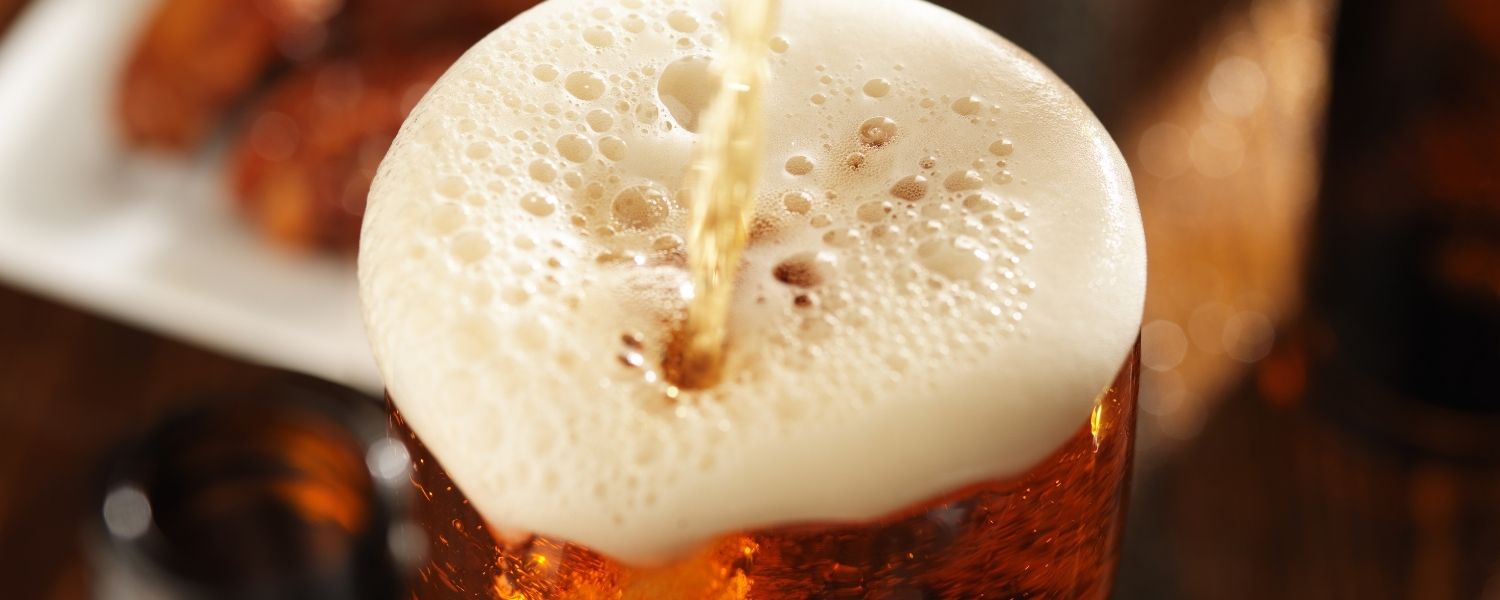
Craft beer has drastically transformed the way people drink beer.
Over the last twenty years, craft beer has evolved from a niche interest with a small group of dedicated brewers to a mainstream phenomenon. In 2005, there were 1,394 craft breweries; by 2024, the Brewers Association, a US-based trade organization representing craft beer brewers, reported that there were 9,796 craft breweries in the United States.
With nearly 10,000 craft breweries in the U.S., more drinkers are seeking out small-batch beers made with care and creativity. Before the craft beer boom, the market was dominated by big corporations, and many beers tasted the same. Today, customers expect unique, nuanced flavors and will seek out breweries that offer well-crafted, distinct beers.
Before you start experimenting with hops and malt, the key to a successful craft brewery starts with the right brewery equipment. For craft brewers, quality is vital, and craft brewing equipment looks different than what you might see in a large commercial brewery. Here’s all the essential gear you need to get your brewery up and running.
Brewery Hose Systems
To transfer beer from all the tanks listed above, you need robust hoses. Hoses move beer from one stage to the next, from moving wort to the fermenter to transferring fermented beer to a brite tank to sit and condition before serving.
We recommend hoses that are flexible and pressure-resistant (sometimes you’re transferring liquids from pressurized tanks, so making sure a hose doesn’t crack or leak is critical). Hoses also need to be food-safe and non-corrosive, since they’re often used to clean and sanitize tanks, as well as transfer liquids.
TIP: Flexible hoses make it easy to maneuver around all the twists and turns of a brewery. Don’t underestimate the importance of your hoses functioning properly under all conditions. Learn more about brewery hoses from Foxx here.
Sampling Valves
When is your beer ready? Sampling valves are a necessary piece of brewing equipment because they allow you to test and taste beer as it is being brewed. Sampling valves are used to take beer samples for testing throughout fermentation.
Sampling valves are fixtures typically mounted on fermenters or brite tanks, allowing brewers to draw small quantities of beer at various stages of fermentation or conditioning.
Why does that matter? Sampling enables you to monitor everything from pH levels to clarity and flavor development. With flavor being a key differentiator in craft beer, being able to measure progress allows brewers to determine if a batch is brewing as expected or if it is ready to move to the next step.

TIP: Sampling valves minimize exposure to oxygen, allowing brewers to draw small samples without compromising the rest of the batch. Check our Foxx’s selection of sampling valves and accessories here.
Hydrometers
Hydrometers measure the density of liquid. They’re often used during the fermentation process to see how far along the yeast is in converting sugar into alcohol.
Because alcohol is less dense than the wort, measuring the density provides brewers with insight into the progress of fermentation.
TIP: Brewers also use hydrometers to come up with the alcohol by volume (ABV) of a beer by measuring its density before and after fermentation. Discover which of Foxx’s hydrometers best suits your craft brewery’s needs.

The Craft Brewing Equipment You Need to Succeed
The goal of most craft brewing equipment is to provide brewers clarity and precision. After all, people come to craft breweries to drink beers that are special, and every piece of equipment plays a role in the final product. Equip your brewery with tools built for the long haul, and you’ll be set up not just to brew—but to thrive.
Leave a Reply